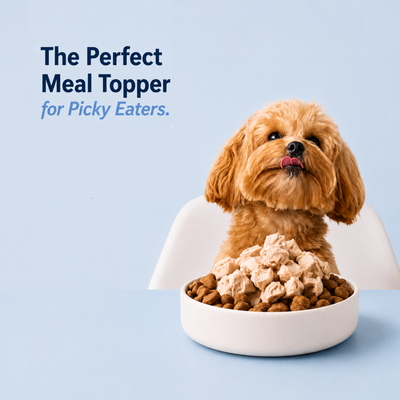
We believe better health begins with better ingredients. Our mission is to improve the way dogs are fed — starting with cleaner, more purposeful nutrition.

MADE FOR SMALL DOGS • NOT MASS-PRODUCED • HIGH-PROTEIN • CLEAN INGREDIENTS • ZERO JUNK • SMALL-BATCH CRAFTED

Understanding Freeze Drying

Science-backed nutrition, real-world health insights, and honest education — built for Indian dog parents.

What Is Freeze Drying?

Freeze drying is a gentle preservation method that removes moisture at low temperatures. Unlike traditional kibble, it does not rely on high heat processing.

By removing water while keeping the food’s structure intact, freeze drying helps retain much of the ingredient’s natural nutrients, flavor, and texture.

Why It Matters for Small Dogs

Small breeds need concentrated nutrition in smaller portions. Because freeze dried food is moisture-free and minimally processed, it delivers nutrient density without unnecessary fillers.

The result is food that is lightweight, protein-rich, and designed to provide meaningful nutrition in every bite.

Small breed dogs have unique nutritional requirements that are often overlooked in mass-market pet food. Due to their faster metabolisms and smaller digestive capacity, they require nutrient-dense meals that deliver adequate protein and energy in smaller portions. Overly processed foods or filler-heavy formulas can lead to digestive discomfort, inconsistent energy levels, and long-term health concerns.

Freeze drying is a gentle preservation method that removes moisture while retaining much of the food’s natural nutrients and flavor. This process allows real ingredients to maintain their nutritional integrity without the need for artificial preservatives. When thoughtfully formulated, freeze dried food can provide concentrated nutrition that supports muscle maintenance, sustained energy, and overall vitality — particularly important for small breeds.

Understanding what goes into your dog’s bowl is the first step toward making informed feeding decisions. Ingredient quality, processing methods, and portion density all matter — especially for smaller dogs with specific dietary needs.